Modern residential interiors are evolving rapidly, and flooring plays a central role in defining both visual identity and everyday functionality. Today’s homeowners are choosing surfaces that balance aesthetics, durability, sustainability, and comfort. From natural finishes to innovative materials and expressive patterns, flooring is no longer a background element but a design anchor that shapes the character of living spaces.
Natural Materials Leading the Way
Natural flooring materials continue to dominate residential interiors because they create warmth, authenticity, and timeless appeal. Their textures and tones connect indoor environments with nature while supporting long-term usability.
Popular choices include:
- Hardwood flooring with wide planks and matte finishes
- Engineered wood for stability in varied climates
- Natural stone such as slate, marble, and travertine
- Bamboo flooring as a renewable alternative
Wide plank hardwood in particular enhances spatial perception, making rooms appear larger and more cohesive. Designers increasingly prefer neutral stains that highlight grain patterns rather than conceal them.
Sustainable Flooring for Eco Conscious Homes
Sustainability is influencing flooring choices more than ever before. Homeowners are actively selecting materials that reduce environmental impact while maintaining durability and style.
Trending sustainable flooring options include:
- Cork flooring, valued for comfort and insulation
- Reclaimed wood, which adds character and reduces waste
- Linoleum made from natural compounds
- Low emission engineered flooring products
These materials support healthier indoor air quality and contribute to responsible building practices without sacrificing design flexibility.
Large Format Tiles Creating Seamless Visual Flow
Large format tiles are becoming a defining feature in contemporary residential spaces. Their reduced grout lines create cleaner surfaces and visually expand rooms.
Benefits include:
- Enhanced continuity across open layouts
- Easier maintenance due to fewer joints
- Compatibility with minimalist interiors
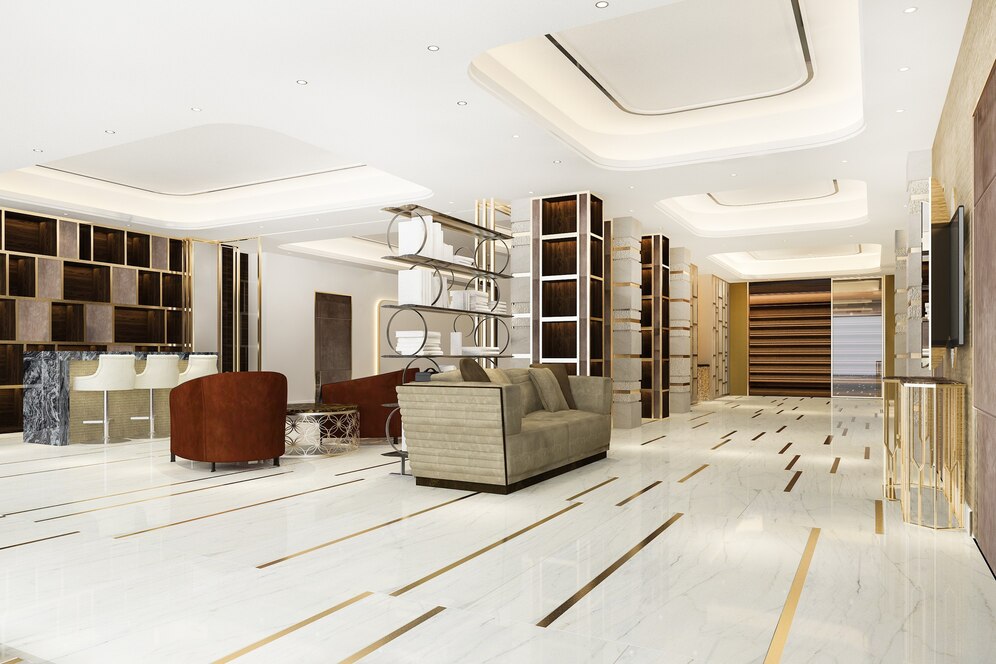
- Availability in stone and concrete inspired finishes
These tiles are especially effective in living rooms, kitchens, and transitional zones where visual consistency is essential.
Luxury Vinyl Flooring Blending Performance and Style
Luxury vinyl flooring has become one of the fastest growing choices in residential interiors due to its durability and versatility. Modern manufacturing techniques allow it to replicate natural materials convincingly.
Reasons behind its popularity include:
- Strong resistance to moisture and scratches
- Comfortable underfoot compared to tile
- Realistic wood and stone visuals
- Suitable installation across multiple rooms
It is particularly effective in households seeking long lasting flooring that performs well in kitchens and family areas.
Patterned Flooring Making a Statement
Patterned flooring introduces personality and visual movement into residential interiors. Rather than relying solely on furniture or wall finishes, homeowners are using floors to create focal points.
Common pattern trends include:
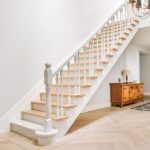
- Herringbone wood layouts
- Chevron plank arrangements
- Geometric tile compositions
- Contrasting border details
These layouts work especially well in entryways, dining spaces, and feature living areas where design expression is encouraged.
Matte Finishes Replacing High Gloss Surfaces
Matte finishes are increasingly preferred over glossy surfaces because they create a softer and more natural appearance. They also hide dust, footprints, and scratches more effectively.
Design advantages include:
- Reduced surface glare
- Improved visual comfort
- Greater compatibility with contemporary interiors
- Easier long term maintenance
This finish works well across wood, tile, and engineered flooring products.
Mixed Material Flooring Defining Functional Zones
Open plan homes benefit from flooring combinations that visually separate functional areas without adding walls. Designers are strategically pairing materials to guide movement and define activity zones.
Examples include:
- Wood flooring in living areas with tile in kitchens
- Stone entryways transitioning into timber corridors
- Patterned inserts marking dining zones
This approach enhances both usability and spatial clarity.
Warm Neutral Color Palettes Dominating Modern Interiors
Flooring color trends are shifting toward warm neutrals that support flexible interior styling. These tones provide a calm base that adapts easily to changing furniture and decor preferences.
Popular shades include:
- Light oak tones
- Soft beige stone finishes
- Warm greige surfaces
- Muted walnut hues
Neutral flooring creates a balanced environment that remains relevant even as design trends evolve.
Technology Enhanced Flooring for Modern Lifestyles
Advancements in manufacturing have introduced flooring products that combine aesthetics with practical innovation. Homeowners increasingly expect surfaces that support comfort and long term reliability.
Modern technological improvements include:
- Waterproof core structures
- Acoustic insulation layers
- Anti microbial surface coatings
- Underfloor heating compatibility
These features allow flooring to perform efficiently in high traffic residential environments.
Choosing the Right Flooring for Your Interior Style
Selecting flooring involves more than appearance alone. It requires understanding how materials respond to daily use, lighting conditions, and layout structure.
Consider the following factors:
- Room function and moisture exposure
- Maintenance expectations
- Natural light availability
- Desired visual continuity
- Long term durability requirements
A thoughtful flooring selection strengthens both the practicality and visual harmony of residential interiors.
FAQs
What flooring material works best for modern open plan homes
Large format tiles, engineered wood, and luxury vinyl planks are excellent options because they create visual continuity across connected spaces.
Is hardwood flooring suitable for kitchens
Engineered hardwood performs better than solid wood in kitchens because it handles humidity variations more effectively.
How can flooring make a small room look bigger
Using wide planks, light colored surfaces, and continuous flooring layouts helps create the illusion of larger space.
Are sustainable flooring materials durable enough for family homes
Yes. Materials such as cork, bamboo, and reclaimed wood provide strong durability while supporting environmentally responsible design.
Which flooring finish requires the least maintenance
Matte finishes generally hide scratches and dust more effectively than glossy surfaces, making them easier to maintain.
Can different flooring materials be combined in one house
Yes. Mixing materials helps define zones in open layouts while improving functionality across different activity areas.
What flooring color trends are most popular in modern residential interiors
Warm neutral tones such as light oak, beige stone, and soft greige are currently among the most widely preferred choices because they support flexible interior styling.