A gym assessment shows how a client moves in a controlled environment with open floor space, stable equipment and a scheduled appointment. It may not reveal that the client works from a low sofa, stores exercise bands out of sight, avoids making noise above neighbours or has only a narrow area between furniture. These environmental details can determine whether independent training actually occurs.
A personal trainer Singapore can learn from the client’s home without turning the visit into an interior-design inspection. Available space, furniture, stairs, workstation layout and household routines reveal opportunities and constraints that are invisible inside the gym. The goal is to design behaviour and exercise options that fit the real environment safely.
Space Determines Which Exercises Are Practical
An exercise may require more floor area than the client expects. Lunges, carries and resistance-band movements can conflict with walls, tables or ceiling fans.
Measure a safe usable zone rather than estimating the room’s total size. The client needs enough clearance to move and to place equipment without blocking exits.
In compact Singapore homes, a small repeatable area may be more useful than a large space that requires moving furniture every session.
Setup Time Is an Adherence Cost
If training requires shifting a dining table, unrolling several mats and retrieving equipment from a high cupboard, a 20-minute session may carry ten minutes of preparation.
Reduce setup steps. Store frequently used items together and choose exercises that share the same area.
The best home programme is not necessarily the most varied. It is the one the client can begin with minimal friction.
Visibility Can Prompt Action
Equipment hidden in a storeroom is easy to forget. A mat or resistance band placed in an appropriate visible location may cue activity.
A review of the home physical environment and activity found associations between visible or available exercise resources and physical activity, although environment is only one influence on behaviour.
Visibility should not create clutter or hazards. The cue must fit the household.
Furniture Can Support or Limit Movement
A stable chair, wall or countertop can provide support for squats, balance work or incline push-ups. The trainer must inspect stability and surface height before using household furniture.
Wheeled chairs, glass tables and lightweight stools are unsuitable supports. Furniture should not be loaded beyond its intended use.
The programme should name the exact safe support rather than saying “use a chair” generically.
Stairs Reveal Everyday Capacity and Opportunity
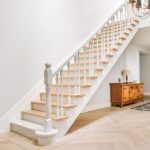
Where safe and appropriate, stairs can provide useful information about lower-body capacity and normal activity. The trainer can ask how the client feels carrying items, climbing several flights or using stairs after a long workday.
Stair exercise requires attention to lighting, handrails, traffic and footwear. Common building stairs should not be turned into a private workout area that obstructs neighbours.
Everyday stair response can still be tracked without prescribing repeated stair intervals.
Flooring Changes Exercise Selection
Tile, wood, carpet and rugs affect grip, comfort and equipment stability. A mat may slide on one surface or make balance less stable on another.
Test the actual setup. Avoid exercises that cause equipment to roll, scratch flooring or create a fall risk.
Footwear decisions may also differ from the gym, but the trainer should consider the client’s comfort and the task rather than imposing one universal rule.
Noise and Neighbour Constraints Matter
Jumping, dropping weights and high-impact intervals may be inappropriate in an apartment, especially during early or late hours.
Low-noise alternatives can preserve the training purpose through controlled strength work, step patterns or low-impact conditioning.
Ignoring neighbour concerns makes the programme less sustainable and may create conflict that ends home training entirely.
The Workstation Explains More Than Posture Alone
A home workstation reveals how long the client sits, whether breaks are easy and which areas are available for brief movement.
The trainer should avoid claiming that one perfect posture prevents pain. Instead, look at variability, screen location, chair comfort and opportunities to change position.
Movement prompts may attach to existing work events such as the end of a call, provided they do not interrupt essential tasks.
Household Routines Shape Available Time
Children, caregiving, meal preparation and shared spaces can determine when an area is available. A programme scheduled during the busiest family period may fail regardless of motivation.
Ask when the home is quiet, which routines are predictable and whether another household member uses the same space.
The answer may support shorter sessions at more reliable times rather than one long ideal workout.
Pets and Children Change Safety Requirements
Resistance bands, small weights and moving exercises can create hazards when pets or children enter unexpectedly.
Equipment should be stored securely, and the client needs a plan for interruptions. Doors, gates or another appropriate boundary may be necessary depending on the home.
Never leave loaded equipment, cords or bands accessible to children.
Storage Affects Equipment Choice
Large equipment may offer training options but become impractical if it cannot be stored safely. Adjustable dumbbells, bands or a compact bench may suit some homes, but every product has limits.
The trainer should identify the programme need before recommending purchases. Buying equipment without a clear role can create expensive clutter.
Manufacturer instructions, weight limits and floor protection should be considered.
Assess Digital and Lighting Conditions
Remote sessions require enough light and camera space for the trainer to see the movement. Poor angles can hide important details.
Test device placement before the session. The client should not balance a phone on unstable furniture.
Digital privacy also matters. Household members should know when a video session is occurring, and recording requires clear consent.
Build Exercise Zones, Not a Miniature Gym
A home does not need to imitate a commercial facility. One standing zone, one floor zone and one safe support point may be sufficient.
Assign exercises to these zones and reduce transitions. The client can complete a coherent session without spreading equipment throughout the home.
This approach respects the primary function of the living space.
Observe Opportunities for Incidental Movement
Home assessment can identify short walking routes, stairs, standing tasks and natural breaks. These opportunities support general activity outside structured workouts.
They should not become obsessive movement targets. The client can select one or two realistic actions that fit daily life.
Environmental design supports behaviour, but it does not eliminate the need for motivation, time and recovery.
Home Context Completes Personalisation
The trainers at TFX Singapore tailor programmes to individual goals, lifestyles and fitness levels. Understanding the home environment extends that personalisation into the place where independent habits often need to occur.
A gym assessment shows what the client can do with ideal equipment and coaching. A home assessment shows what is likely to happen between appointments. Combining both perspectives creates a programme that is technically sound, environmentally realistic and easier to sustain.
Frequently Asked Questions
Does a home assessment require an in-person visit?
No. A guided video walkthrough, measurements and photographs shared with consent can provide useful information, although some safety details may need direct verification.
How much space is needed for home exercise?
It depends on the movements. A small clear zone can support many exercises when adequate clearance and stable surfaces are available.
Is household furniture safe to use as exercise equipment?
Only when it is stable, suitable for the intended load and used within its design. Avoid wheeled chairs, glass surfaces and lightweight stools.
Should clients buy equipment before a home assessment?
Usually not. Identify the programme need, storage, space and safety requirements before purchasing equipment.