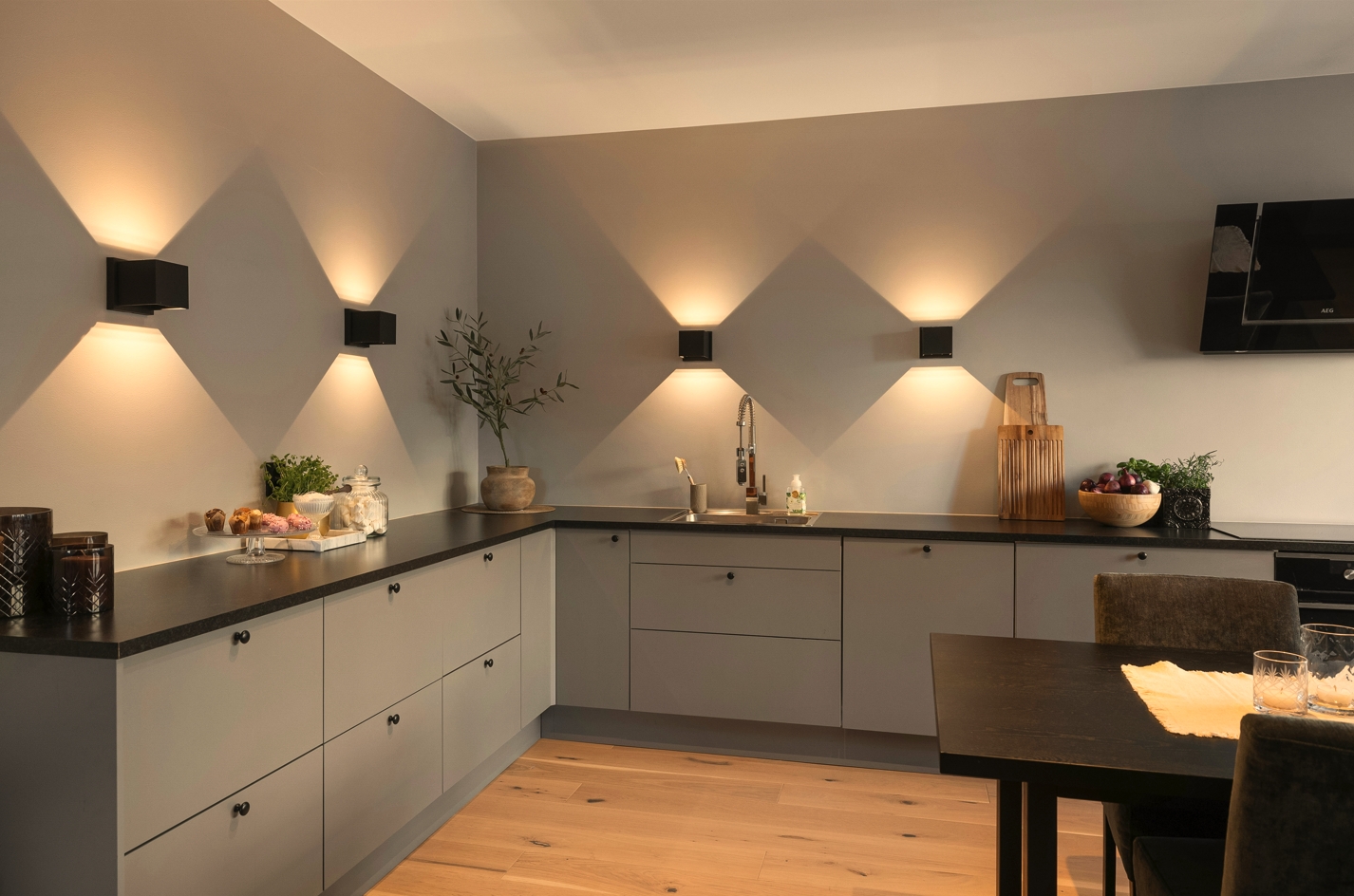
Good kitchen lighting does more than brighten a space. It improves safety, enhances precision while preparing food, and creates a comfortable atmosphere for everyday cooking. Poor lighting can lead to eye strain, uneven chopping, and difficulty spotting spills or undercooked ingredients. With the right lighting strategy, your kitchen becomes more efficient, functional, and visually balanced.
Below are practical and well-tested lighting ideas that improve cooking visibility while enhancing the overall usability of your kitchen.
Layer Your Kitchen Lighting for Maximum Visibility
A single ceiling fixture rarely provides enough illumination for cooking tasks. The most effective kitchens use layered lighting, combining multiple sources to eliminate shadows and improve clarity.
The three essential lighting layers include:
Ambient lighting
Provides overall illumination across the kitchen. Examples include:
- Ceiling-mounted fixtures
- Recessed lights
- LED panel lights
Task lighting
Targets work areas where precision matters most:
- Countertops
- Sink zones
- Cooking ranges
- Preparation stations
Accent lighting
Enhances visibility in darker corners while improving aesthetics:
- Toe-kick lighting
- Shelf lighting
- Cabinet display lights
Combining these layers ensures consistent brightness across the workspace without glare or dark spots.
Install Under-Cabinet Lighting for Clear Countertops
Under-cabinet lighting is one of the most practical upgrades for cooking visibility. Cabinets often block overhead light, creating shadows exactly where precision is required.
Benefits of under-cabinet lighting include:
- Eliminates countertop shadows
- Improves knife safety while chopping
- Enhances ingredient color visibility
- Makes reading recipes easier
LED strip lights are especially effective because they are energy-efficient, slim, and evenly distribute brightness across the workspace.
Choose the Right Color Temperature for Cooking Tasks
Lighting color temperature directly affects how clearly you see ingredients and surfaces.
Recommended ranges include:
4000K neutral white
Ideal for general cooking visibility
5000K cool white
Best for precision tasks like cutting vegetables or measuring ingredients
Avoid overly warm lighting near preparation zones because it can distort color perception and reduce clarity.
Neutral white lighting balances comfort with accuracy, making it suitable for most kitchens.
Position Ceiling Lights Strategically Instead of Centering Them
Many kitchens rely on a single central ceiling fixture. This creates shadows when your body blocks the light while working.
Instead, install ceiling lights directly above:
- Countertops
- Sink areas
- Cooking zones
- Kitchen islands
Recessed lights spaced evenly across work zones provide consistent illumination where it matters most.
Add Pendant Lights Above Kitchen Islands
Pendant lighting improves visibility while working on island counters and adds depth to the kitchen layout.
Best practices include:
- Install two or three pendants depending on island length
- Maintain spacing between fixtures
- Use glare-free shades
- Position lights about 30 to 36 inches above the surface
Pendant lights create focused illumination for tasks such as mixing ingredients, plating meals, and casual dining preparation.
Improve Sink Visibility with Focused Lighting
The sink area often becomes a shadow-prone zone, especially when placed below wall cabinets.
Better visibility can be achieved by installing:
- A recessed spotlight above the sink
- A directional ceiling fixture
- Under-cabinet lighting nearby
Clear sink lighting helps during washing, rinsing vegetables, and cleaning sharp utensils safely.
Use Dimmable Lighting for Flexible Cooking Conditions
Dimmable fixtures allow adjustment based on time of day and activity type.
Examples of when dimming helps:
- Bright light for chopping vegetables
- Medium brightness for casual cooking
- Lower brightness for evening ambiance
This flexibility improves comfort without compromising functionality.
Reduce Shadows by Combining Multiple Light Sources
Shadows reduce accuracy and increase strain during food preparation. Strategic fixture placement solves this problem effectively.
Ways to reduce shadows include:
- Installing lighting from multiple directions
- Using under-cabinet LEDs
- Avoiding single-source overhead lighting
- Adding island pendant lighting
Balanced lighting improves visibility across the entire workspace.
Select Energy-Efficient LED Fixtures for Long-Term Use
LED lights are ideal for kitchens because they offer:
- Long lifespan
- Low electricity consumption
- Minimal heat output
- Bright, consistent illumination
They also come in adjustable brightness levels and various color temperatures, making them adaptable to different kitchen layouts.
Highlight Storage Zones with Interior Cabinet Lighting
Interior cabinet lighting improves visibility when locating ingredients and cookware.
Useful options include:
- Motion-sensor cabinet lights
- Shelf-mounted LED strips
- Drawer lighting systems
These solutions reduce time spent searching inside dark storage areas and improve workflow efficiency.
Frequently Asked Questions
What type of lighting is best for kitchen countertops
Under-cabinet LED strip lighting works best because it removes shadows and provides direct illumination where food preparation happens.
How bright should kitchen lighting be for cooking
A brightness level between 300 and 500 lux is generally recommended for safe and comfortable food preparation.
Is warm or cool lighting better for kitchens
Neutral to cool white lighting improves ingredient visibility and supports accurate cooking tasks better than warm lighting.
How many lights should a kitchen ceiling have
Instead of one central fixture, multiple recessed lights positioned over work areas provide more balanced illumination.
Are pendant lights necessary for kitchen islands
Pendant lights are not mandatory but significantly improve visibility and create focused lighting for island-based tasks.
Can dimmable lights improve cooking visibility
Yes. Dimmable lighting allows adjustment according to activity level, improving comfort without reducing clarity.
Do LED lights work better than traditional bulbs in kitchens
LED lights perform better because they are brighter, energy-efficient, long-lasting, and available in suitable color temperatures for cooking visibility.